
Dubai’s high humidity damages TV motherboards by causing moisture buildup, corrosion, short circuits, and condensation, reducing performance and lifespan.
What Makes Dubai’s Climate a High-Risk Environment for TV Motherboards
Dubai’s consistently high humidity creates the ideal conditions for moisture to seep into TV motherboards and weaken their internal components.
Because the city sits along the coast, warm air carries large amounts of water vapor that easily settles on electronics, even indoors. When this moisture reaches a TV’s PCB, it increases the risk of condensation, corrosion, and slow electrical leakage. Frequent shifts between air-conditioned rooms and outdoor heat make the problem worse, pushing moisture deeper into connectors, solder joints, and sensitive circuitry.
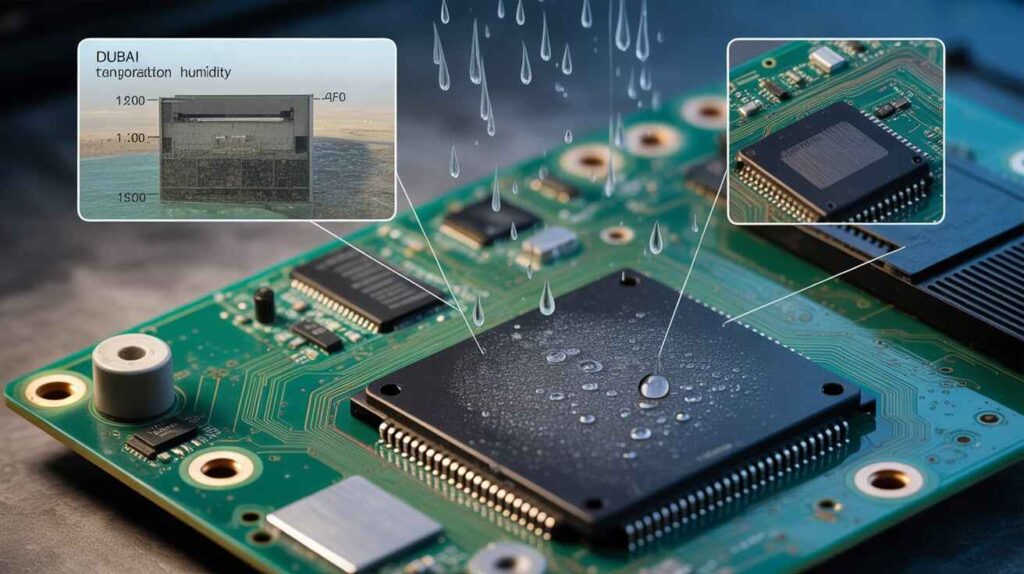
How Dubai Humidity Affects TV Motherboards
High humidity in Dubai directly damages TV motherboards by allowing moisture to collect on sensitive electronic pathways.
When water vapor settles on the PCB, it creates thin conductive films that lead to short circuits, unstable signals, and gradual corrosion of metal traces. Over time, this moisture accelerates electrochemical migration, causing tiny conductive bridges to form between components. These hidden faults can trigger power failures, flickering, and sudden shutdowns. Even slight condensation inside the TV can shorten the lifespan of the motherboard significantly.
Moisture Absorption & Internal Condensation
Moisture absorption inside a TV is one of the most common ways Dubai’s humidity harms the motherboard.
When warm, humid air enters the TV and contacts cooler internal surfaces, it forms tiny droplets—similar to how glasses fog up when you step indoors. These droplets settle on the PCB and create conditions for leakage currents and reduced insulation strength. Even a thin layer of moisture can interrupt signals, weaken solder joints, and slowly corrode delicate components. Over time, this quiet buildup leads to unstable performance and unexpected failures.
| Effect | Description | Impact on TV Motherboard |
|---|---|---|
| Moisture Absorption | Water vapor enters the PCB and components | Causes short circuits, leakage currents, and unstable performance |
| Condensation | Humid air condenses on cooler surfaces inside the TV | Leads to corrosion, component degradation, and display issues |
| Corrosion | Metal traces, solder joints, and connectors react with moisture | Weakens connections, increases risk of failure, reduces lifespan |
| Electrochemical Migration | Microscopic metal filaments form between conductive paths | Causes unexpected shorts and signal disruption |
| PCB Material Degradation | Moisture penetrates and swells PCB layers | Leads to delamination, weakened structure, and reduced reliability |
| Display Damage | LCD/LED layers affected by moisture | Fogging, dead pixels, and reduced image quality |
Corrosion & Electrochemical Migration
Corrosion and electrochemical migration are two of the most damaging effects of Dubai’s high humidity on TV motherboards.
When moisture settles on metal traces or solder joints, it reacts with contaminants and forms corrosive residues that slowly eat away at the circuitry. Over time, trapped moisture can also trigger electrochemical migration, causing tiny metal filaments to grow between conductive paths. These microscopic bridges create shorts, unstable signals, and sudden power failures. Even small amounts of corrosion can weaken connectors, reduce lifespan, and make the TV increasingly unreliable.
Short Circuits & Increased Leakage Currents
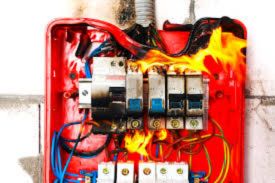
High humidity in Dubai often leads to short circuits and increased leakage currents inside TV motherboards.
When moisture forms a thin film over the PCB, it creates unintended conductive paths between components that should stay electrically isolated. This moisture-driven conductivity can cause random power drops, flickering, or complete startup failure. As leakage currents build up, the motherboard becomes more unstable, especially during temperature shifts. Over time, these small electrical irregularities strain critical components, making the TV more vulnerable to sudden breakdowns or permanent damage.
PCB Material Degradation & Delamination
Dubai’s humidity can gradually degrade PCB materials, causing delamination and reduced structural integrity.
When moisture penetrates the layers of a motherboard, the fiberglass substrate absorbs water and begins to swell. This swelling can separate the laminated layers, weaken solder joints, and distort the PCB surface. Over time, delamination reduces the board’s ability to carry signals reliably and makes components more prone to failure. Combined with condensation and corrosion, this subtle material damage is a major factor in shortened TV motherboard lifespan.
Real Failure Mechanisms Seen in TVs in Humid Environments
Dubai’s humidity triggers several real-world failure mechanisms in TV motherboards.
Electrolytic capacitors absorb moisture and corrode internally, reducing their ability to store charge. Connectors and solder joints develop corrosion, causing intermittent signal loss or complete disconnection. Even the display panel can suffer, as moisture infiltrates LCD or LED layers, creating fogging or dark spots. These combined effects gradually degrade performance, leading to flickering, random shutdowns, and, in severe cases, complete motherboard failure if left unchecked.
Capacitor Failure & Rusting Components
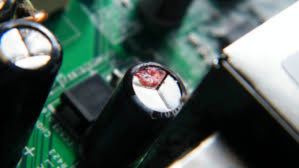
Electrolytic capacitors and metal components are highly vulnerable to Dubai’s humidity.
Moisture absorption inside capacitors accelerates internal corrosion, reducing capacitance and causing voltage instability. Solder joints and connectors also react to high humidity, forming rust and weakening connections. These subtle degradations often lead to flickering, delayed startup, or sudden power loss. Over time, the combined effect of capacitor failure and rusted components can destabilize the entire motherboard, making the TV increasingly prone to unexpected shutdowns and costly repairs.
Connector Corrosion & Intermittent Signal Loss
Connector corrosion is a common result of prolonged exposure to Dubai’s humidity.
High moisture levels cause oxidation on HDMI ports, T-CON connectors, and other motherboard contacts, leading to poor connections. This corrosion interrupts signal flow, resulting in flickering, distorted images, or intermittent audio issues. Even a small amount of residue can gradually worsen over time, making troubleshooting difficult. Regular inspection and cleaning are essential, as unchecked connector corrosion can propagate to nearby circuits, destabilizing the TV and shortening the motherboard’s operational lifespan.
Display Panel Fogging & LED Strip Damage
Moisture from Dubai’s humid climate can infiltrate a TV’s display panel, causing fogging and LED damage.
Condensation between LCD or LED layers creates clouded spots, reduces brightness, and can even lead to dead pixels over time. LED strips and backlights are especially sensitive to corrosion, which diminishes color accuracy and overall image quality. These subtle effects often appear gradually, but they signal that humidity has reached critical internal components. Early detection and preventive measures can help maintain display performance and prolong motherboard life.
How to Protect Your TV From Dubai Humidity
Protecting your TV from Dubai’s humidity is essential to prevent motherboard damage.
Controlling indoor humidity with air conditioners or dehumidifiers keeps moisture levels stable. Applying conformal coatings or moisture-resistant sealants on motherboards adds an extra layer of protection. Proper placement is also crucial—avoid windows, kitchens, or areas with poor ventilation. Routine cleaning and inspection of connectors help prevent corrosion. These proactive steps reduce condensation, short circuits, and electrochemical migration, keeping your TV stable and extending the life of sensitive electronic components in high-humidity conditions.
- Control Indoor Humidity
- Use Protective Coatings
- Proper Placement & Ventilation
- Routine Cleaning & Preventive Inspections
When You Should Seek Professional Repair
Knowing when to call a professional can save your TV from permanent motherboard damage.
If you notice flickering, sudden power loss, distorted images, or unusual smells, these may indicate moisture-related issues inside the TV. Attempting to repair a motherboard without experience can worsen corrosion or cause shorts. Professional technicians can safely clean, repair, or replace damaged components while preventing further electrochemical migration. Early intervention is key to minimizing downtime, avoiding costly replacements, and ensuring that Dubai humidity doesn’t permanently compromise your television.
FAQs
Q1: Can high humidity really damage a TV motherboard?
Yes, high humidity can severely damage a TV motherboard.
Moisture from the air penetrates the PCB, causing corrosion, electrochemical migration, and short circuits. Over time, these effects can lead to flickering, power failures, and permanent component damage. TVs in Dubai are particularly vulnerable due to consistently high relative humidity levels. Early preventive measures like dehumidifiers, proper ventilation, and protective coatings can minimize risks and extend the life of the motherboard and other sensitive electronic components.
Need a Fast Fix? Choose Fixer Master Dubai
Dubai’s extreme humidity can silently damage your TV’s motherboard—causing short circuits, rusting components, moisture buildup, and sudden system failures. If your TV shows issues like random shutdowns, distorted display, or sluggish performance, the root cause is often humidity-related motherboard damage.
Why Understanding Dubai’s Humidity Impact Matters
- Protects your TV from early failure
- Helps you identify moisture-related symptoms early
- Guides you toward proper maintenance and safe usage
- Reduces the chances of costly motherboard replacements
- Increases the lifespan of your TV in a high-moisture environment
If you want reliable, fast, and professional TV Motherboards services in Dubai, Fixer Master Dubai is your go-to choice.